Our state-of-the-art hummus production lines support large-scale production with efficiency and consistency. Designed for both classic and innovative flavors, they ensure excellent product quality while enhancing your brand’s market presence.
Producing high-quality, flavorful hummus demands meticulous craftsmanship and strict adherence to hygiene standards.
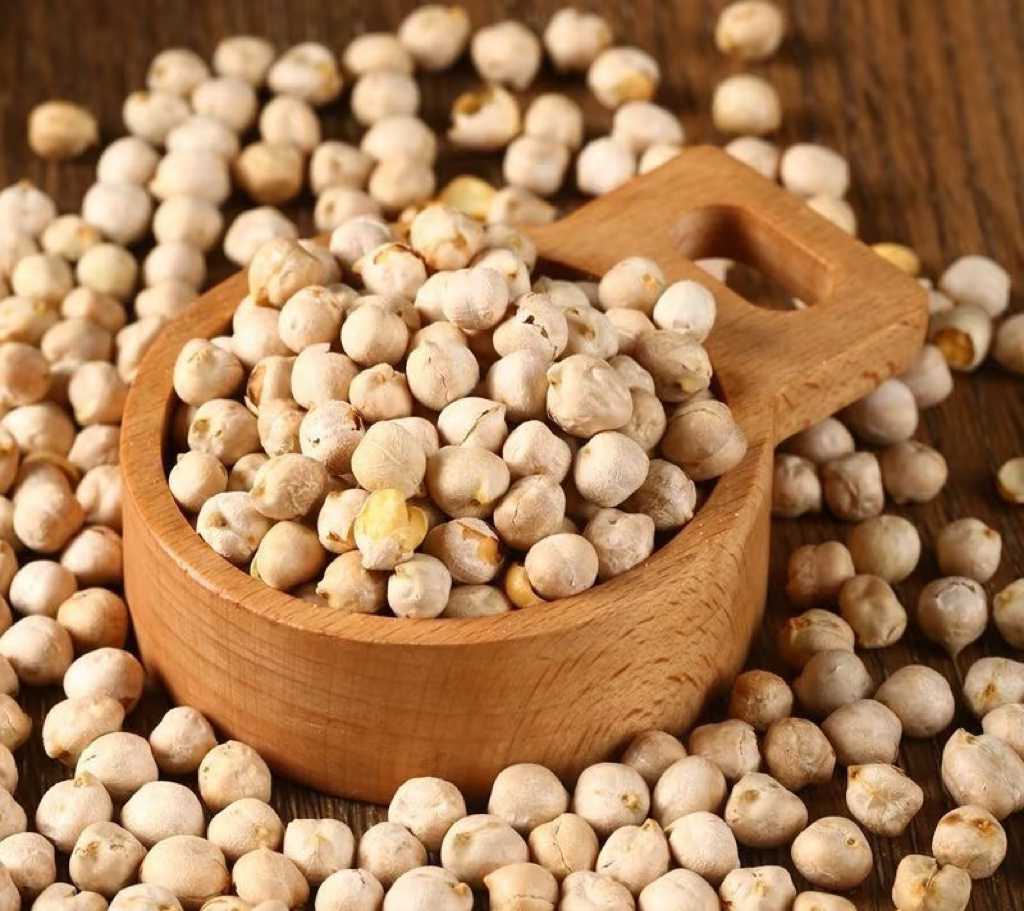
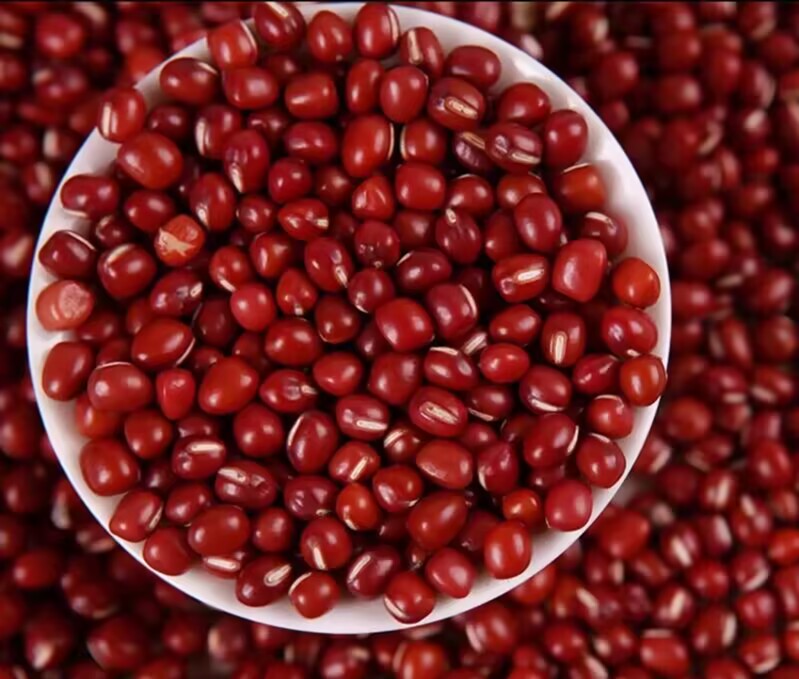
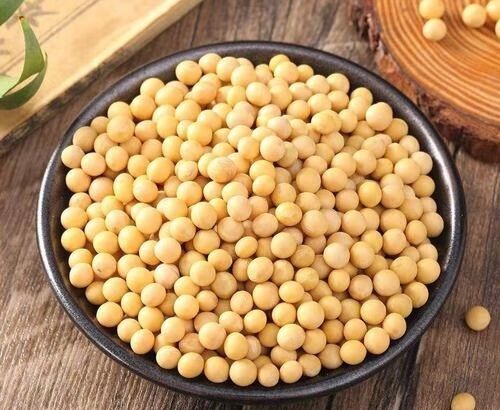
1. Raw material preparation: Fresh chickpeas, soybeans, or red beans are carefully selected and soaked for 12–24 hours to achieve optimal softness for processing.
2. Cleaning and processing: Impurities are removed from chickpeas using a cleaning machine, followed by peeling to ensure a smooth, high-quality texture.
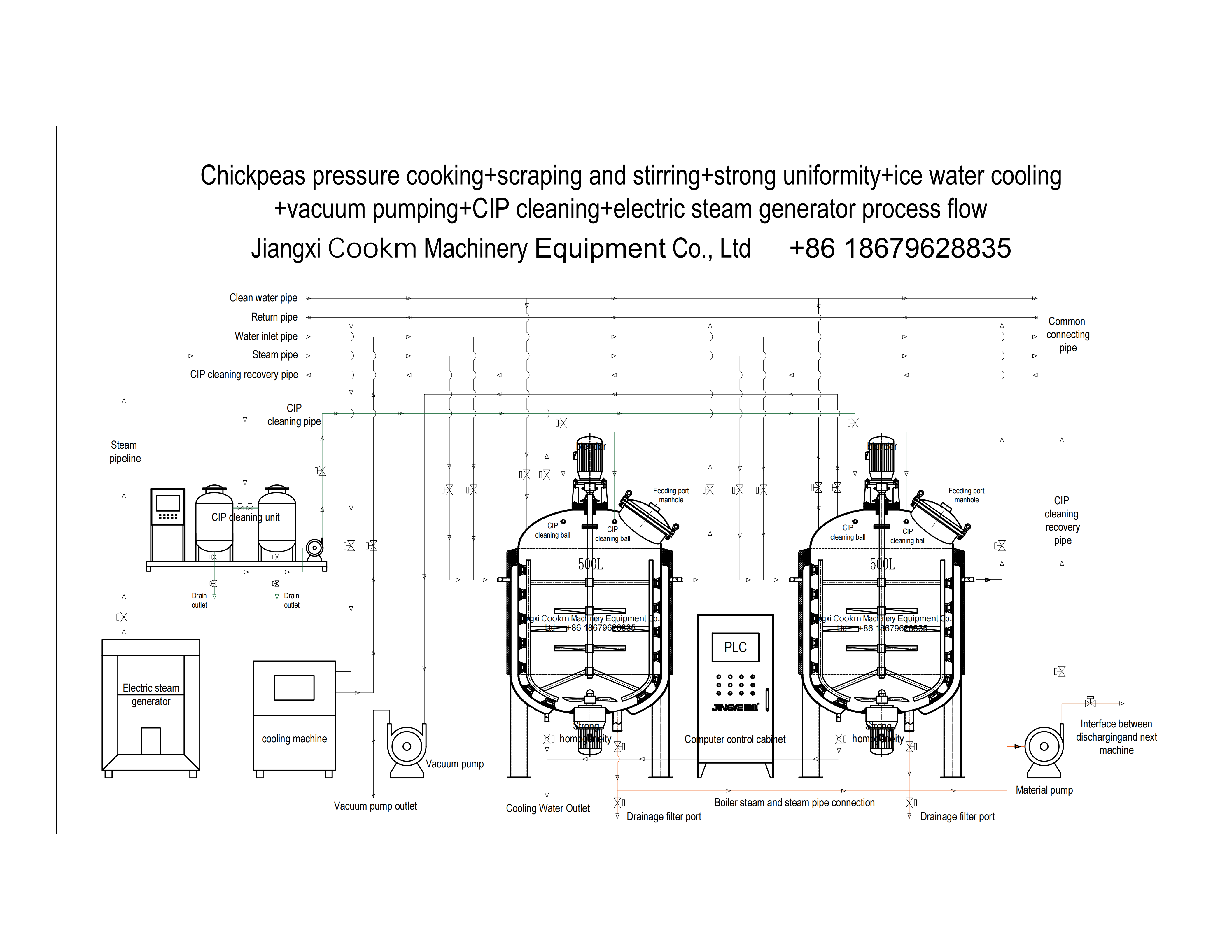
3. High pressure cooking: Transfer the washed chickpeas into a pressure cooker and cook under pressure until fully softened.
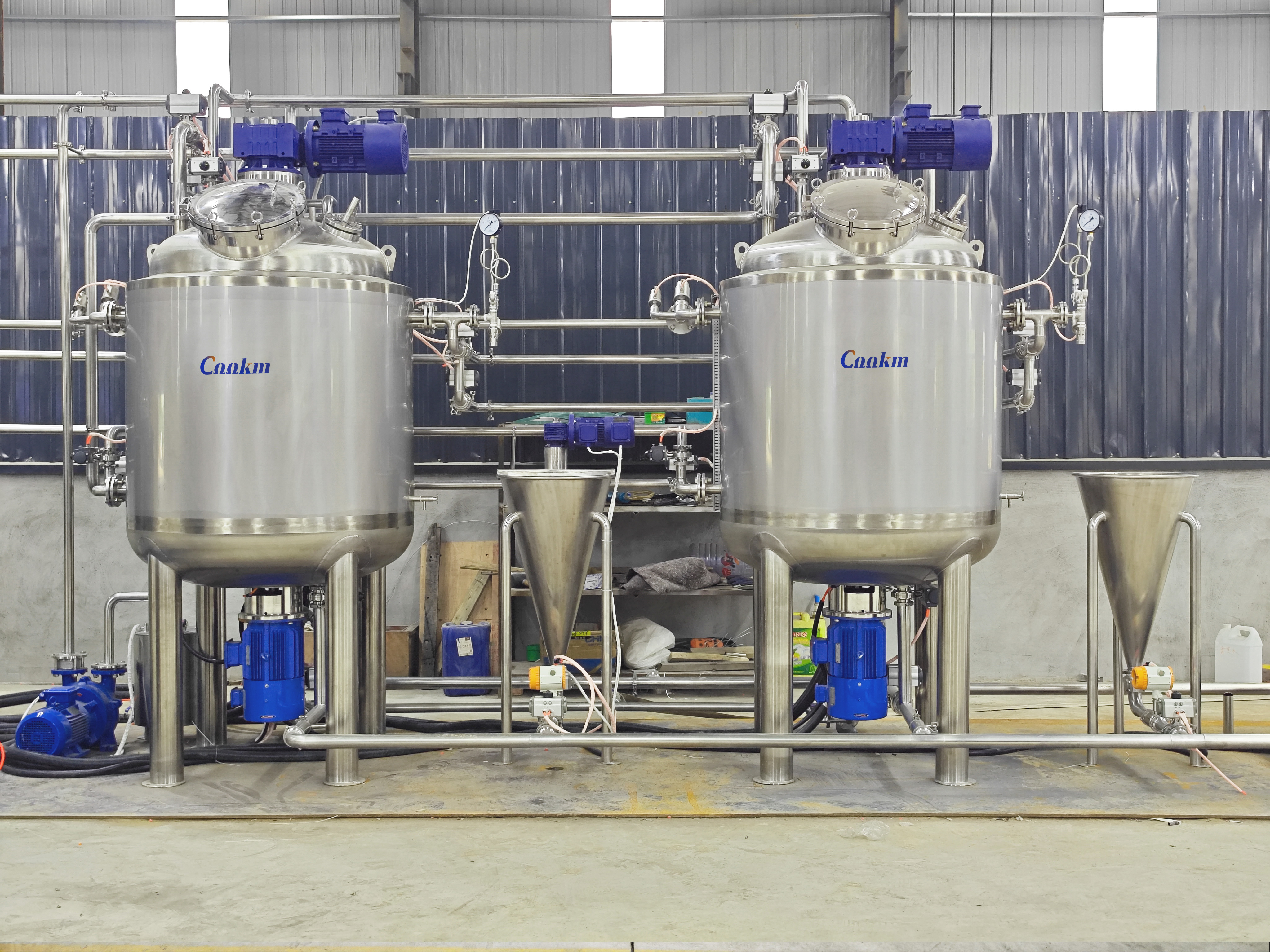
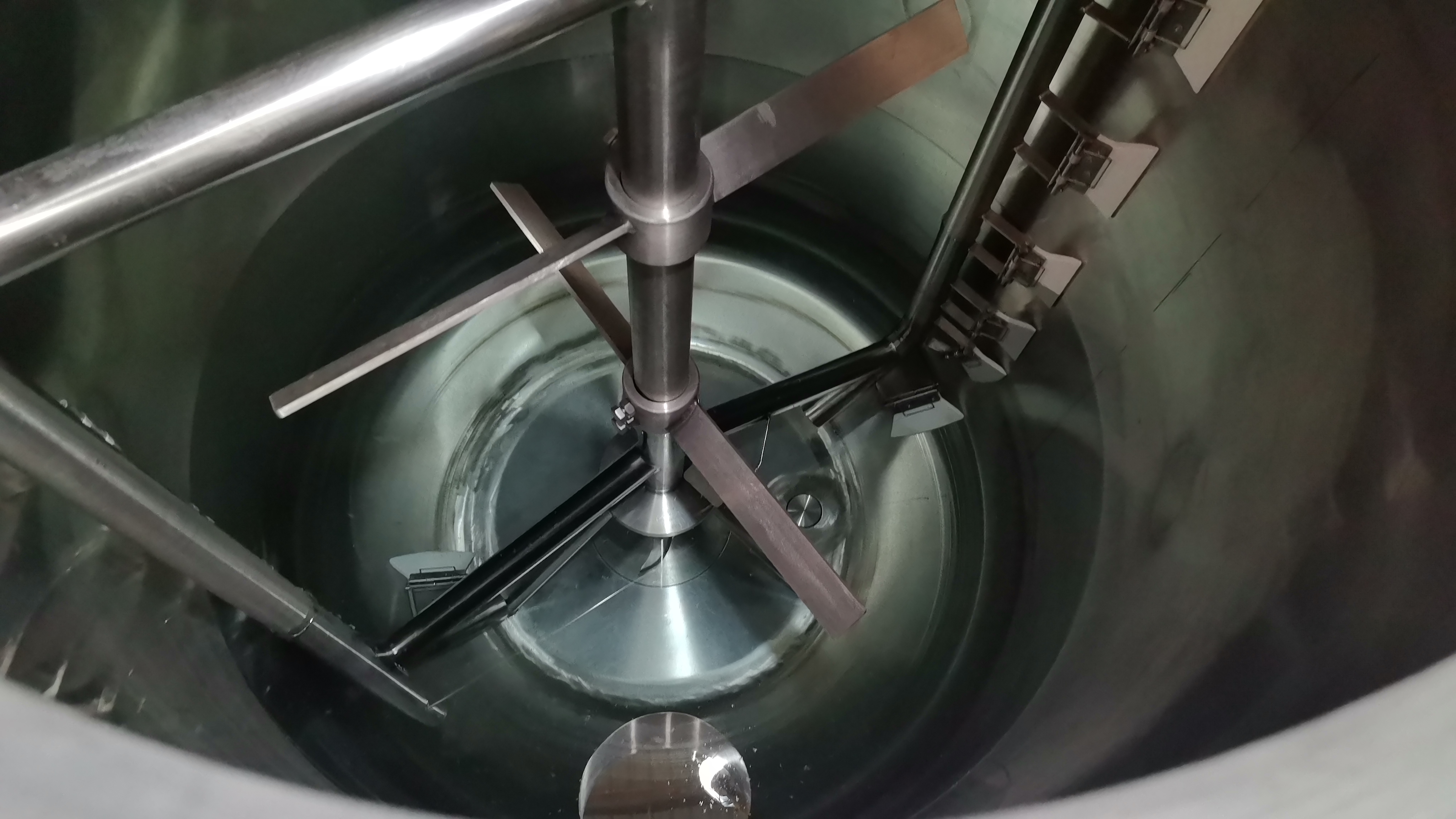
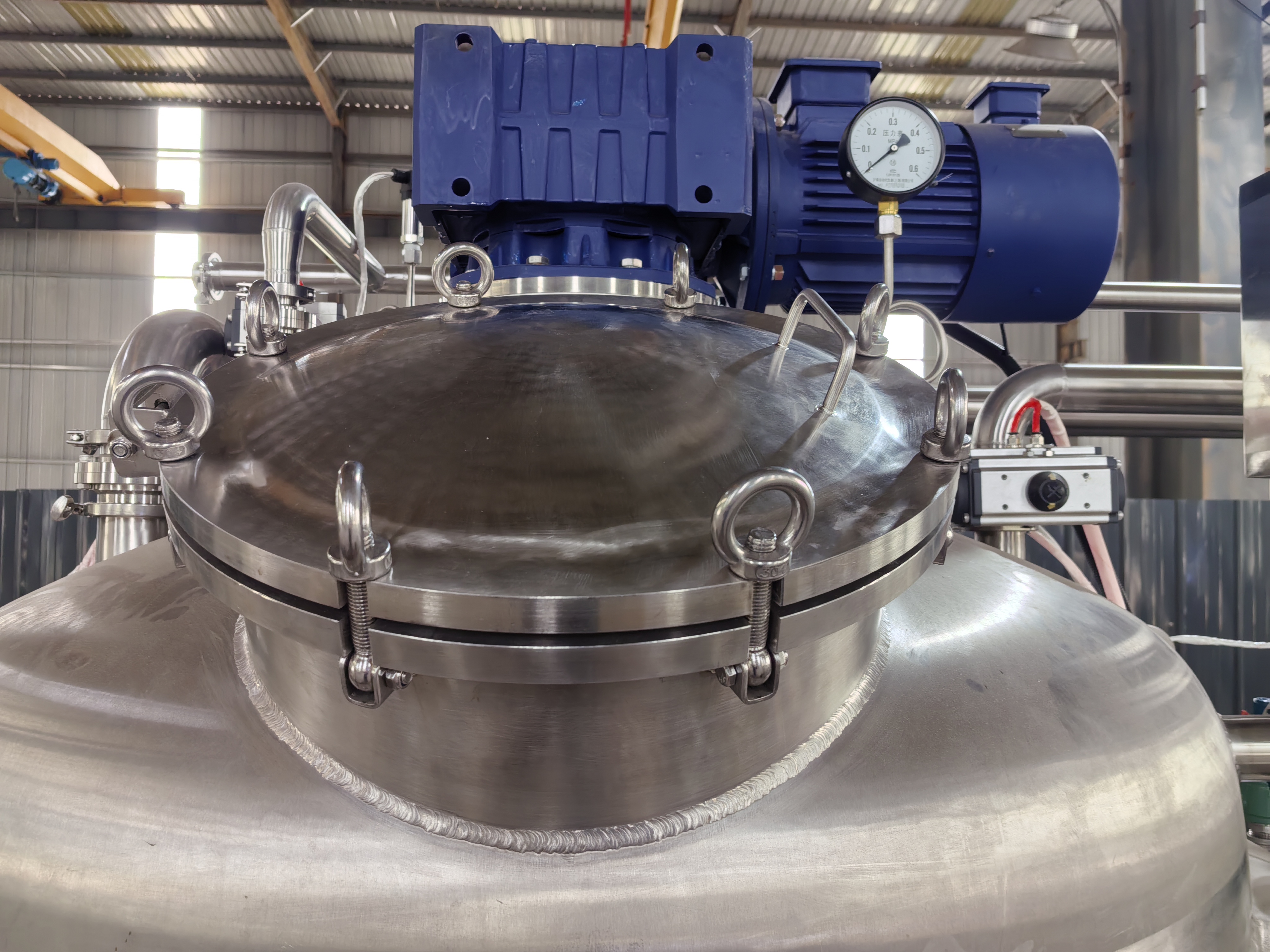
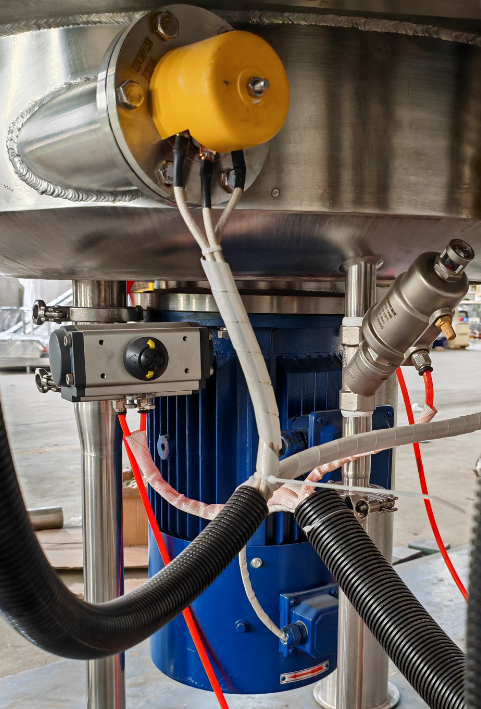
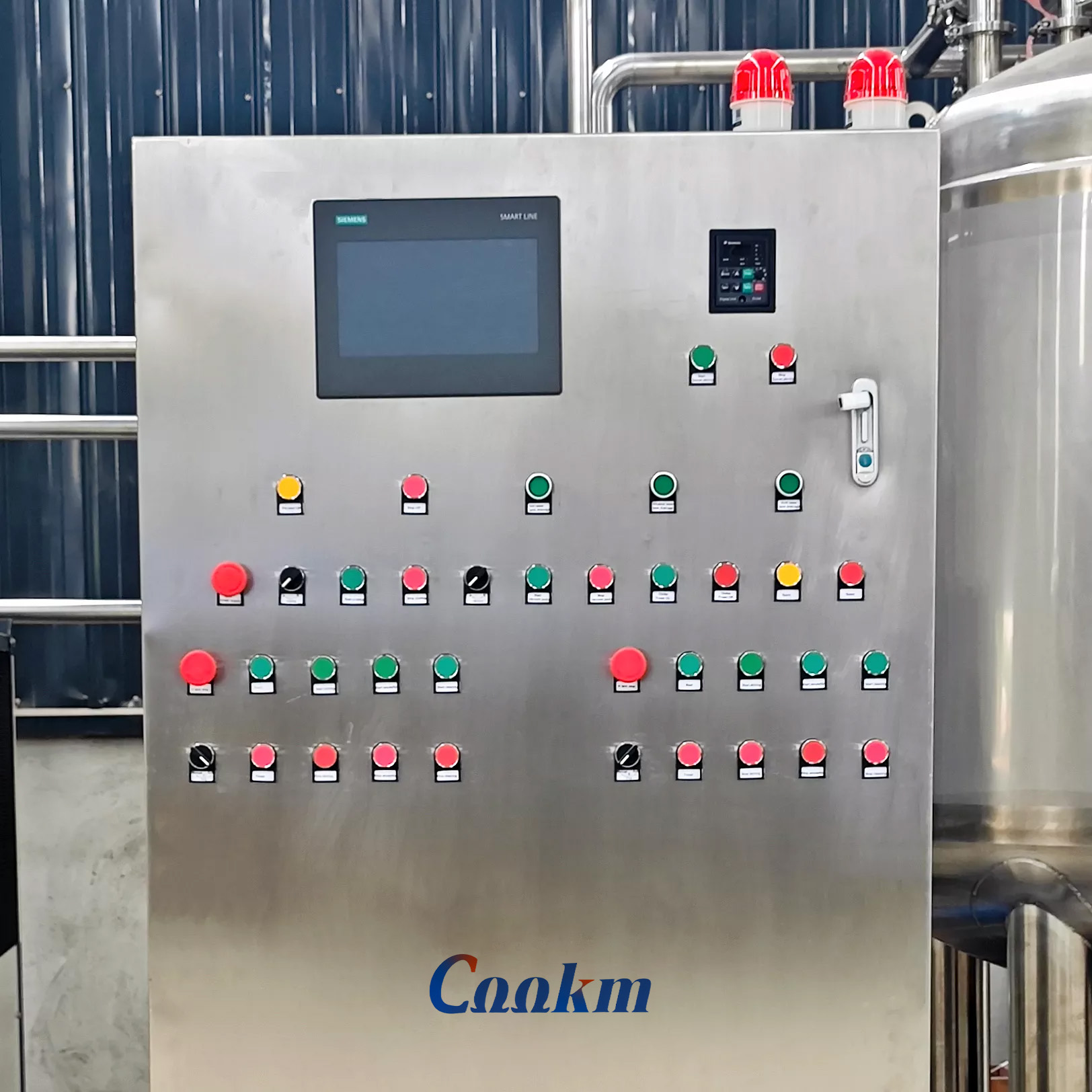
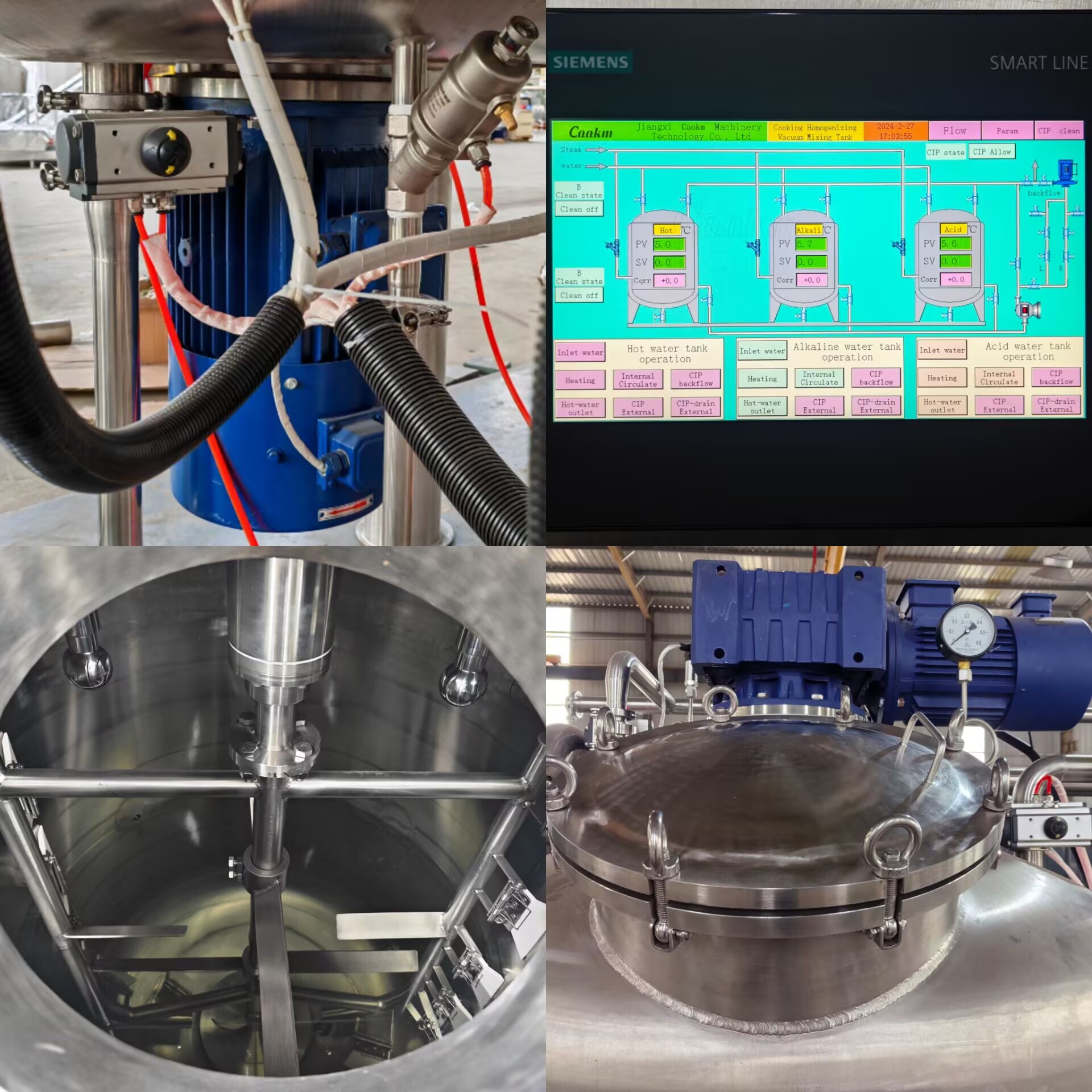
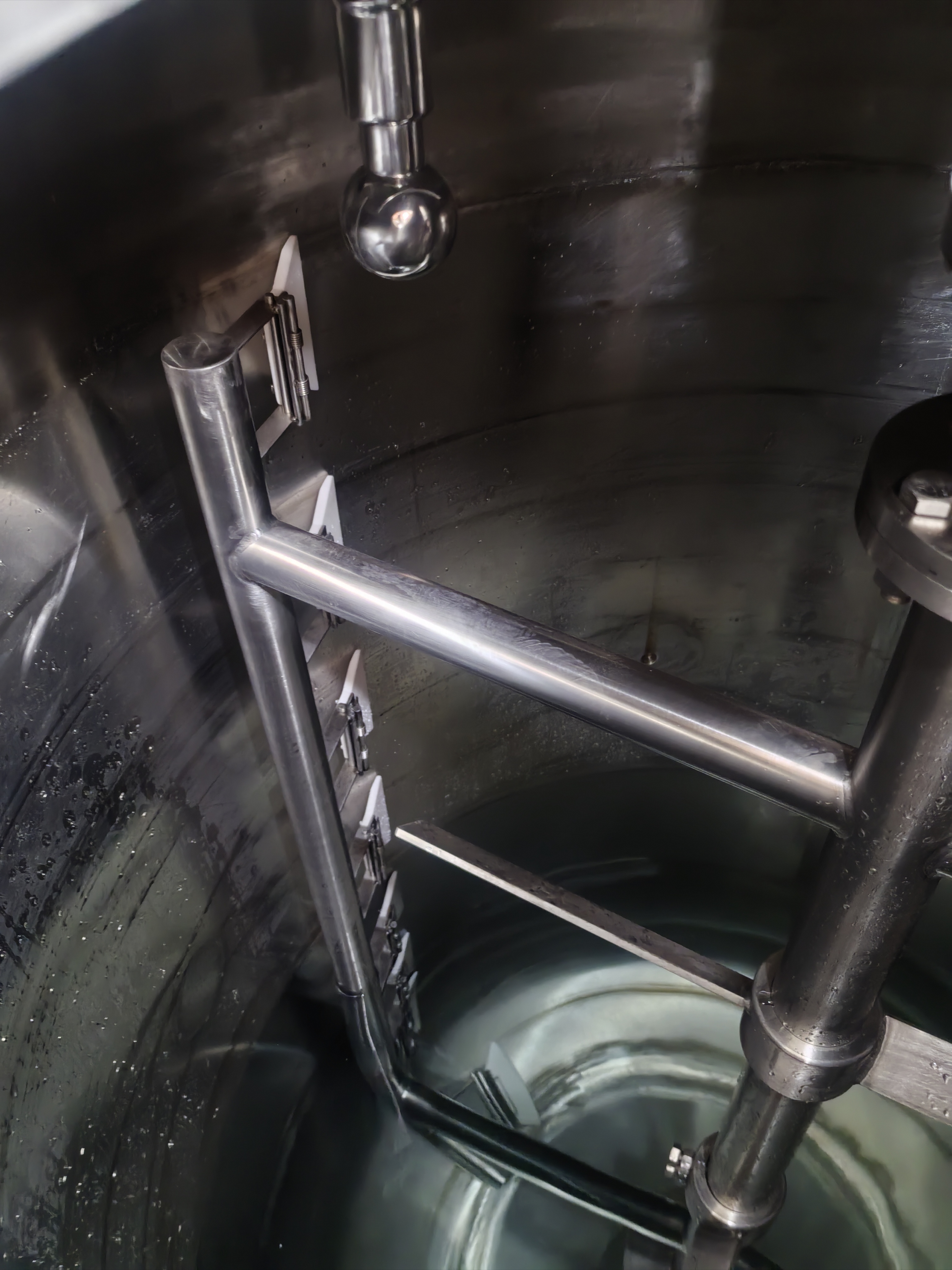
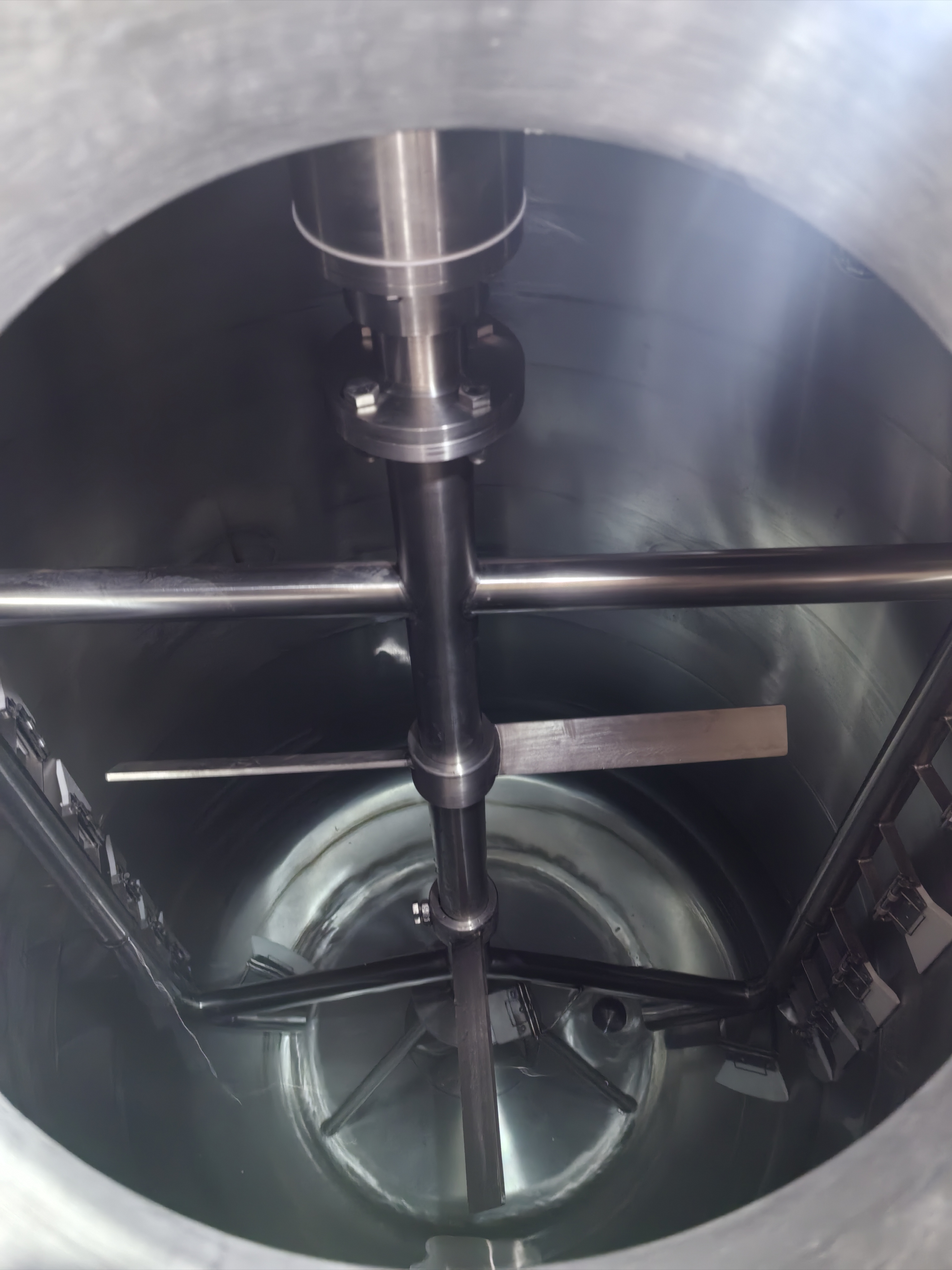
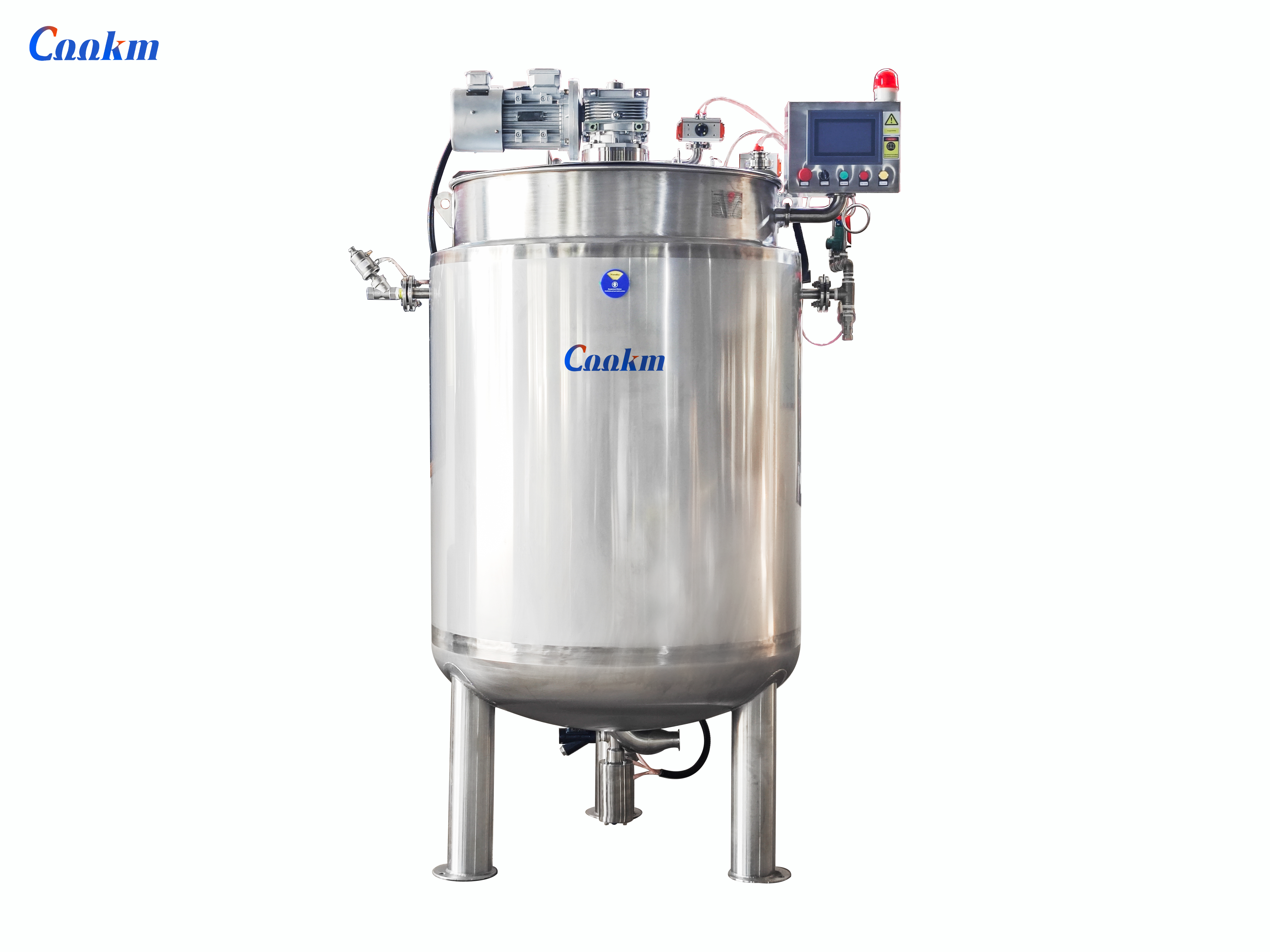
4. Mixing and stirring: With integrated cooking, stirring, and emulsification functions, the Cookm mixing tank ensures chickpeas are evenly cooked and fully stirred. Its emulsification feature enhances the texture, producing a smoother, more refined chickpea paste.
5. Quality inspection and adjustment: Evaluate the hummus for texture and taste, and fine-tune the seasoning ratios to achieve the desired flavor profile.
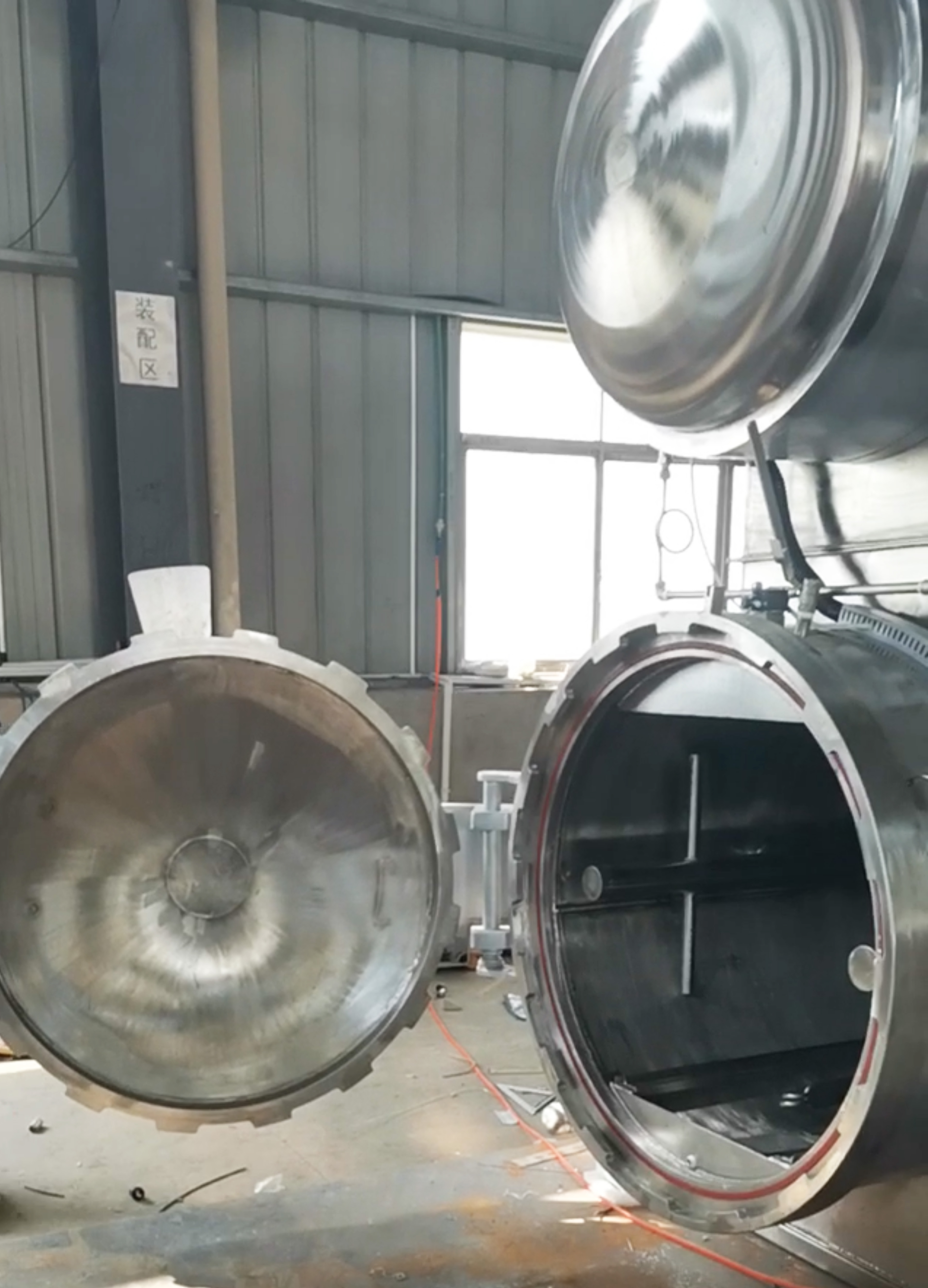
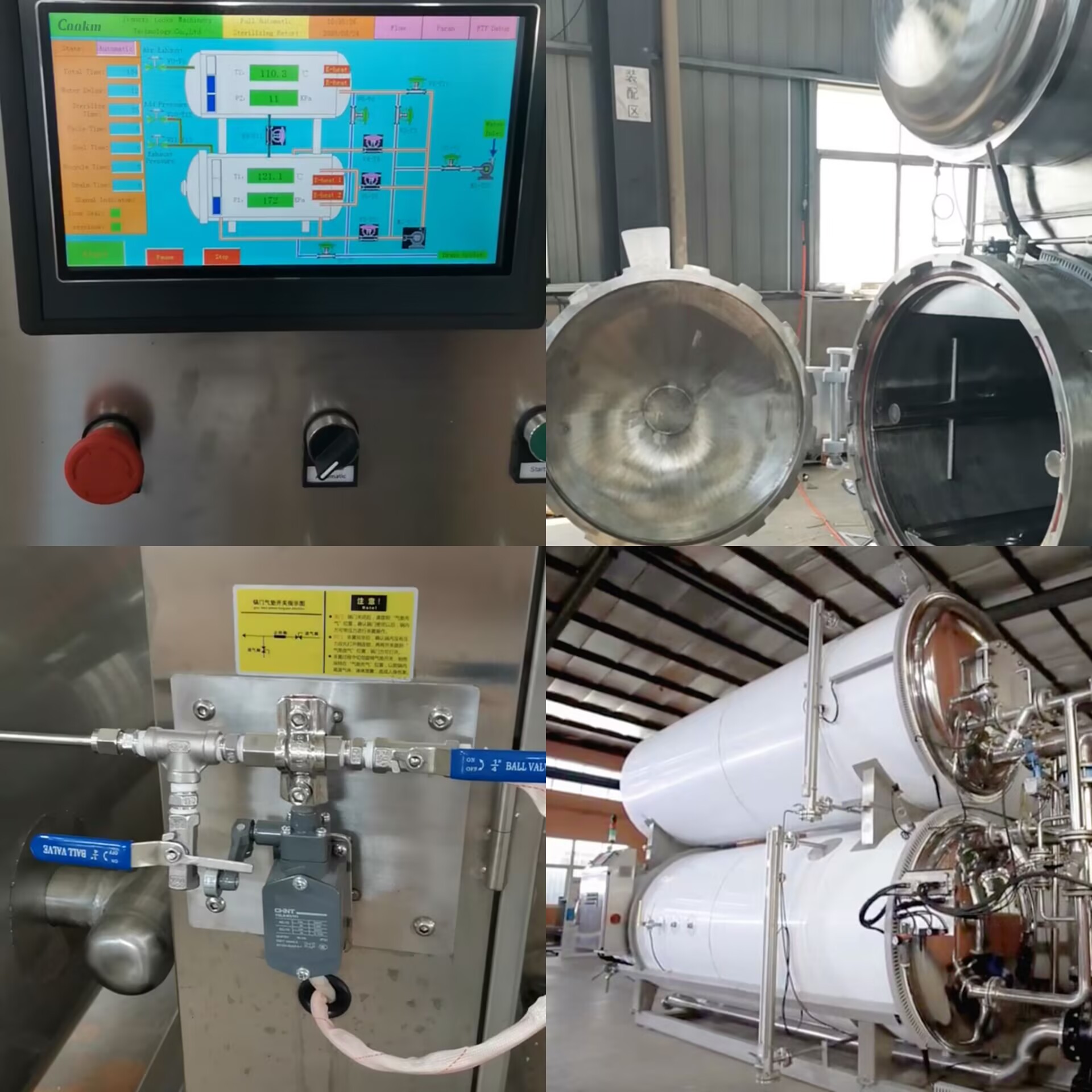
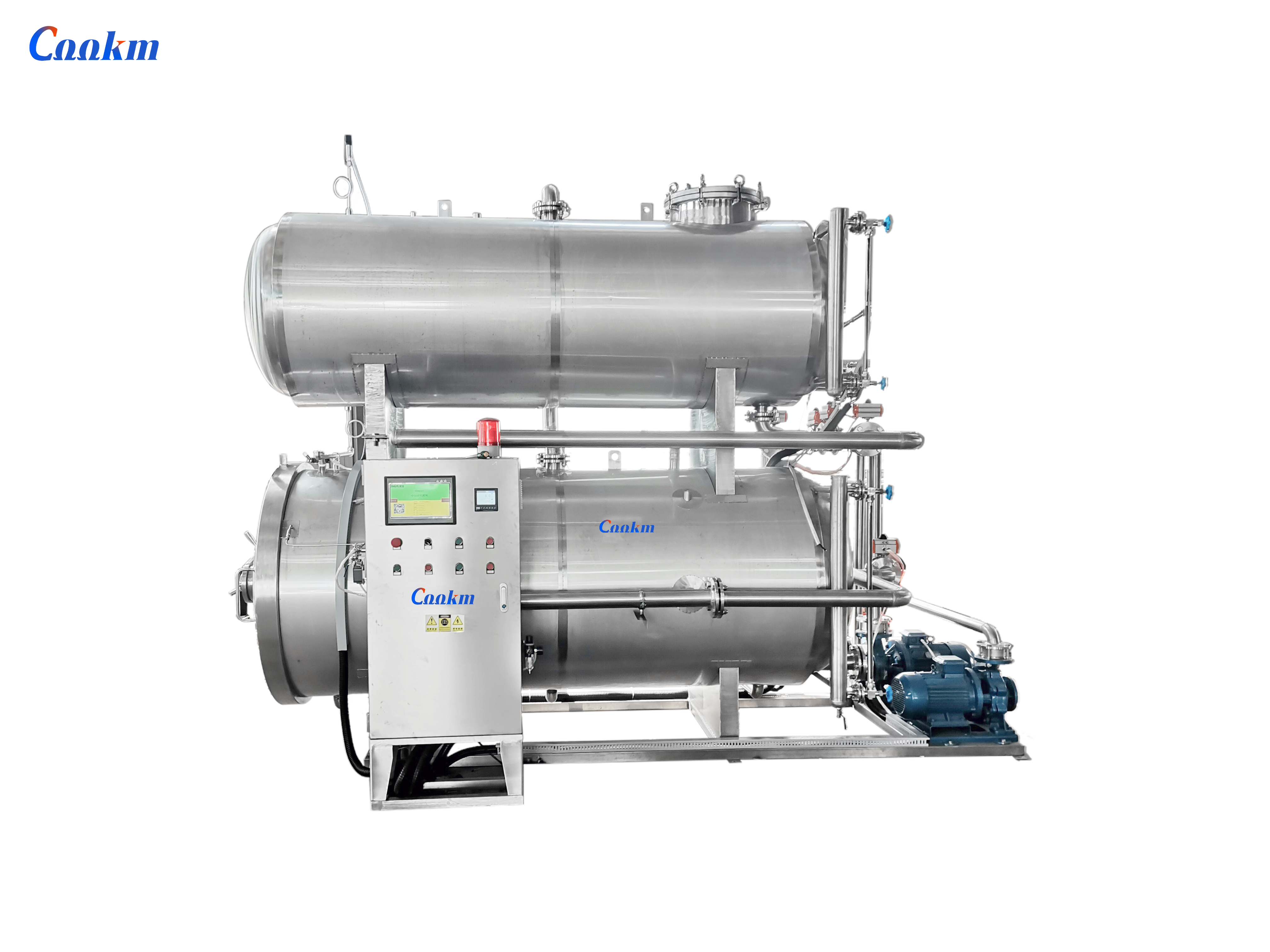
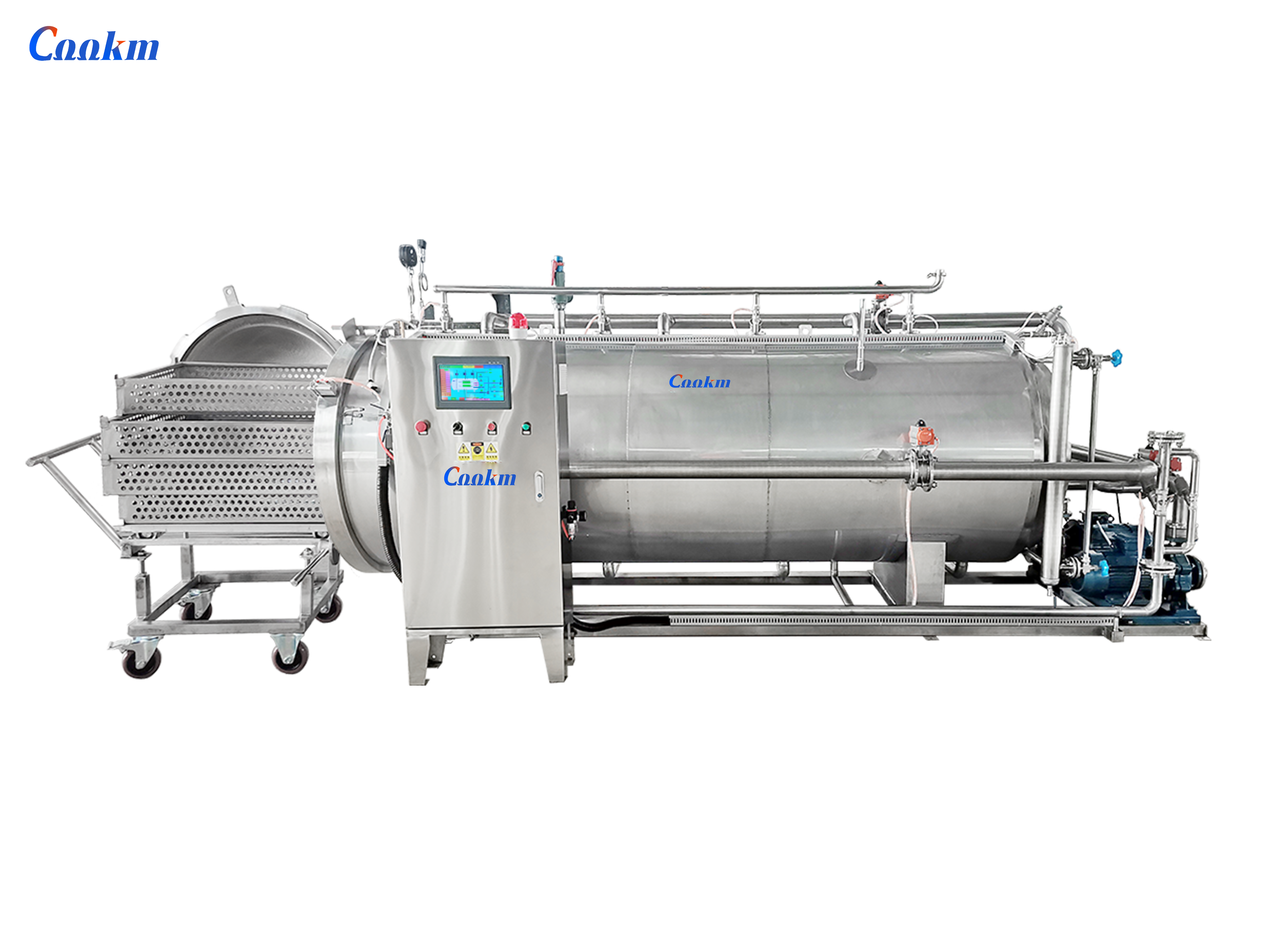
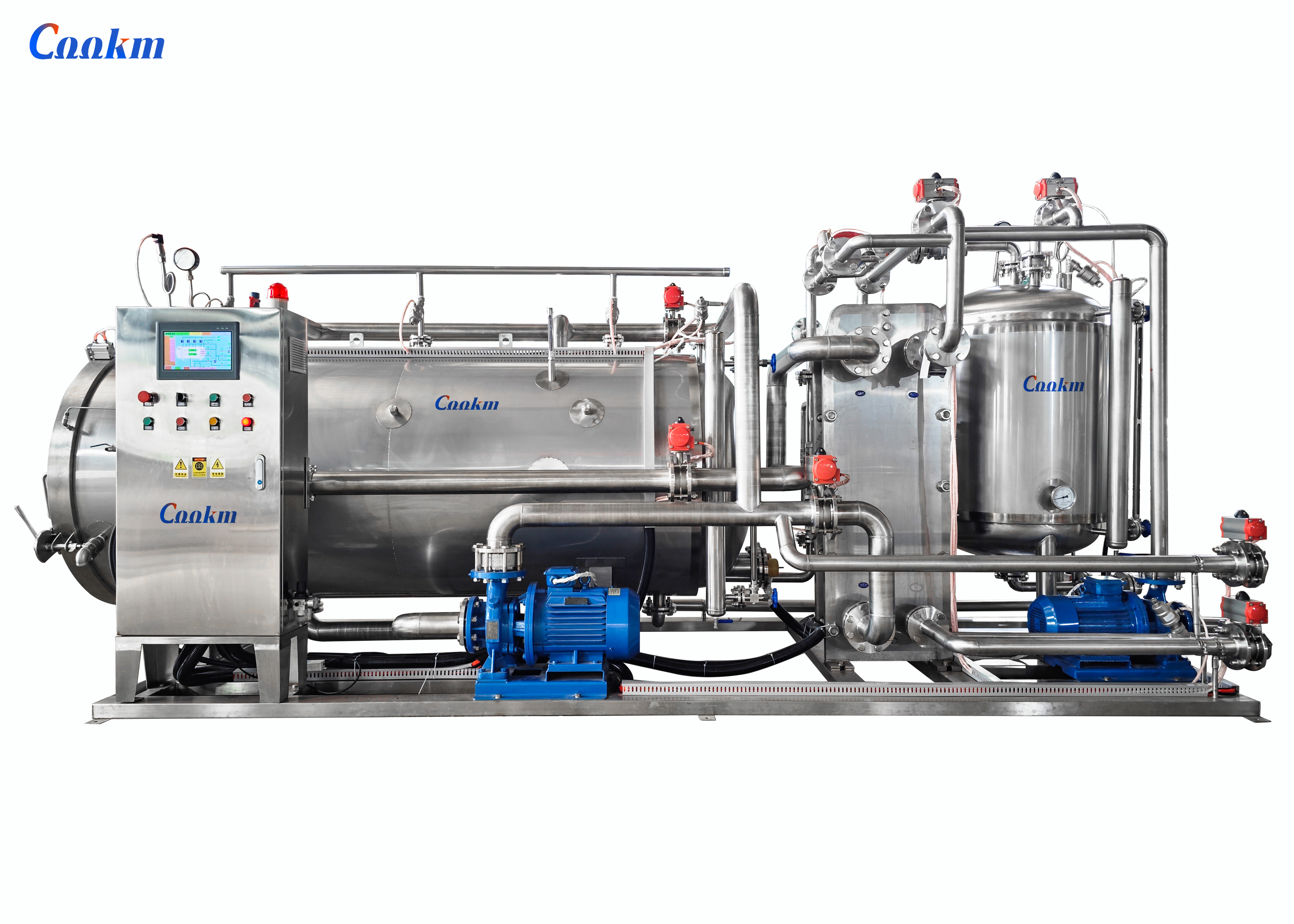
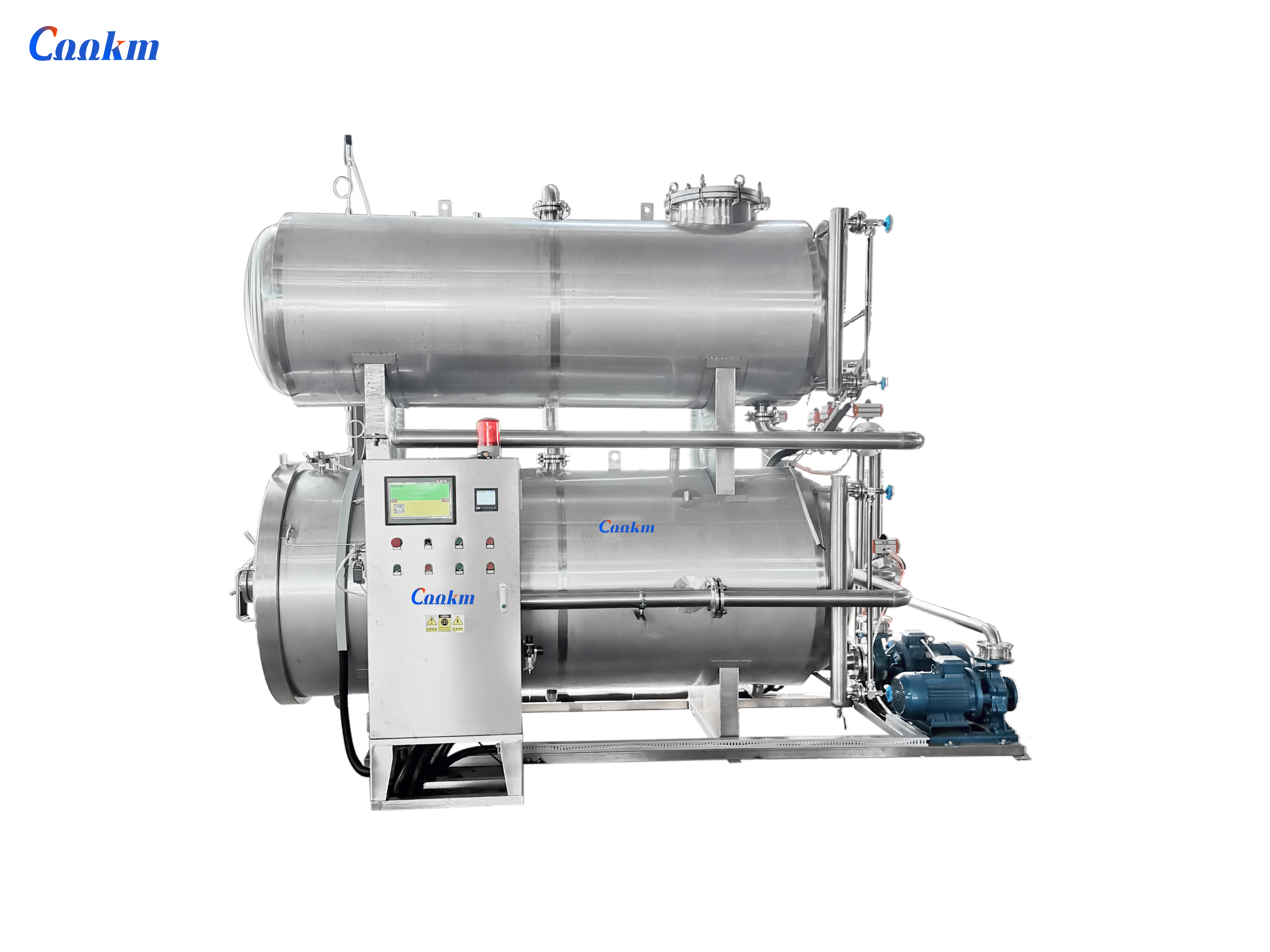
6. Packaging and sterilization: After filling and sealing the chickpea paste in containers to prevent contamination, sterilize using the Cookm sterilizer for effective sterilization and extended shelf life. Label each sterilized container with the production date and expiration date.
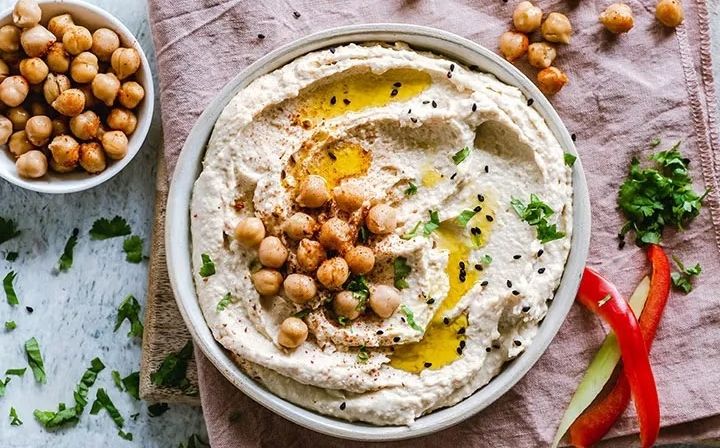
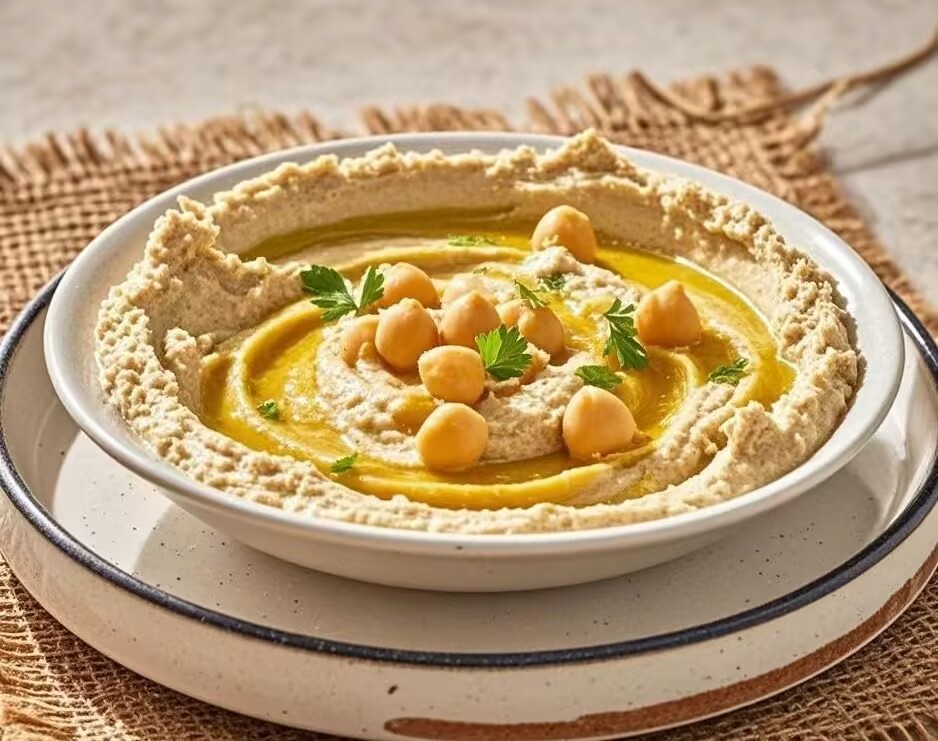
7. Finished product: Our finished product serves as a versatile seasoning, adding unique flavor and rich nutrients to dishes, suitable for a wide range of cooking applications.
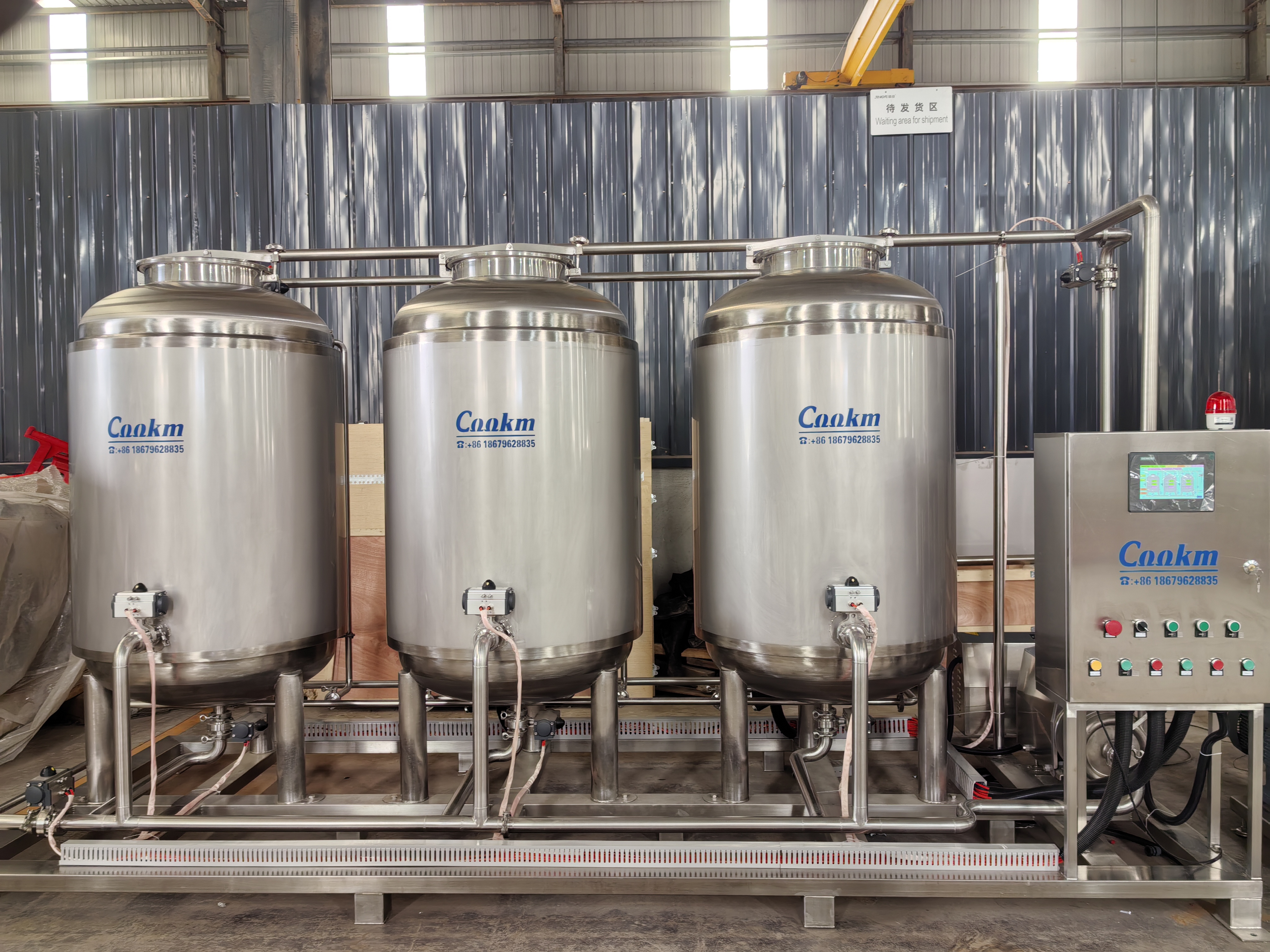
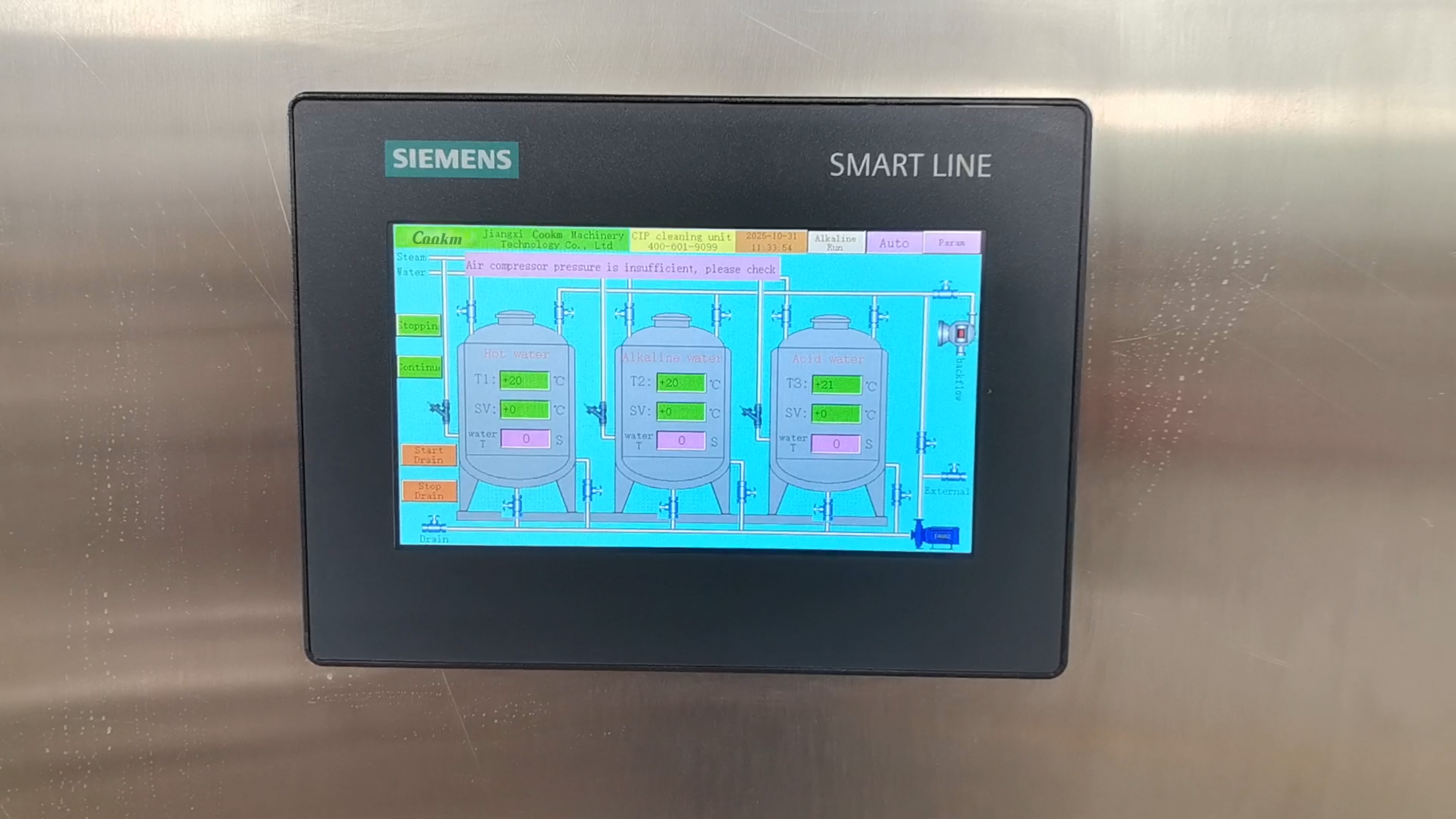
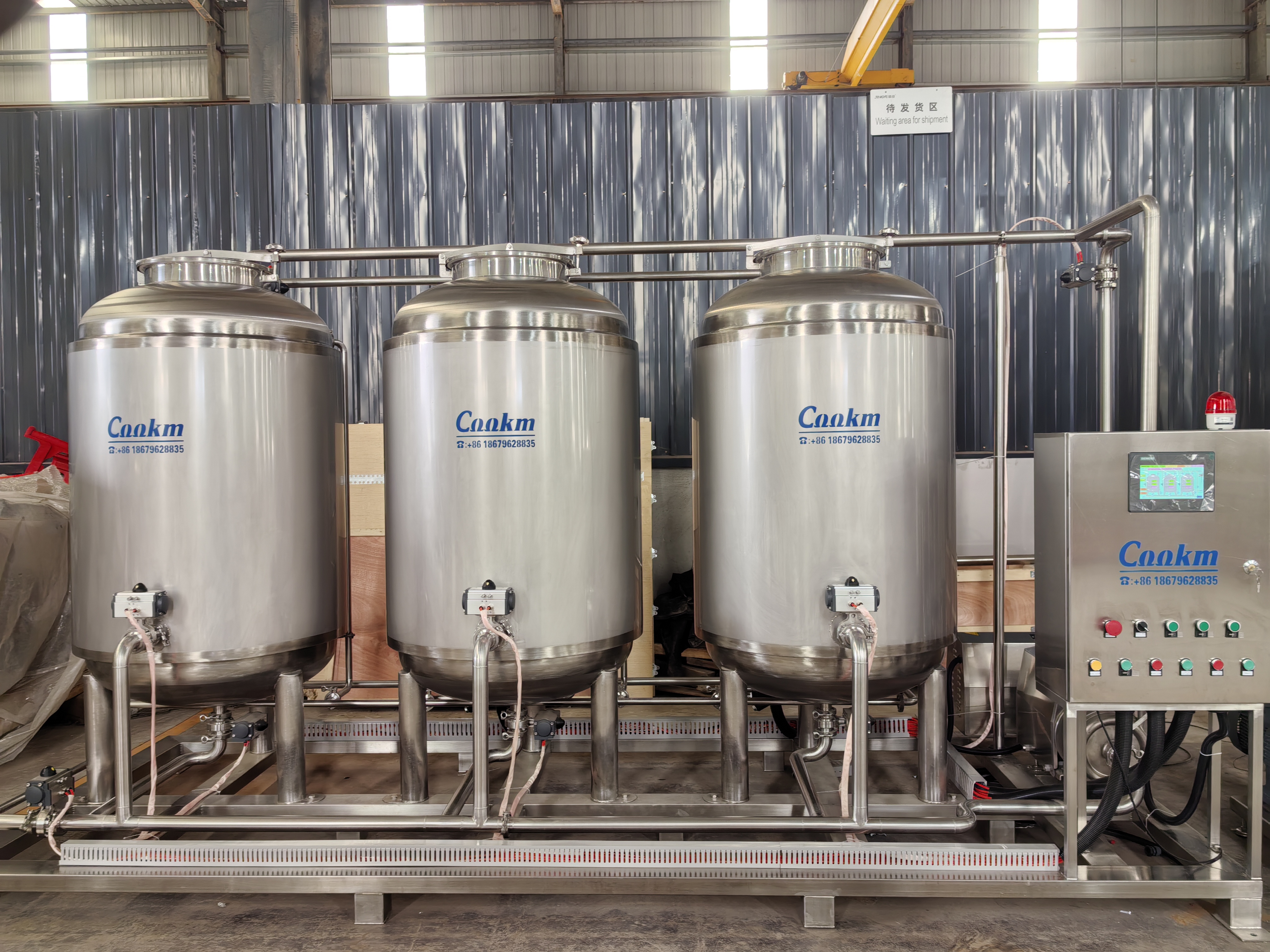
CIP cleaning system Designed for cleaning production lines in sauce, dairy, and cooked food plants, this equipment uses high-pressure water, alkaline/acidic solutions, or hot water to remove residues and microorganisms. The fully automatic process ensures thorough hygiene for subsequent production.

 +86 182 7962 8835
 sales@cookmach.com

 Home
Home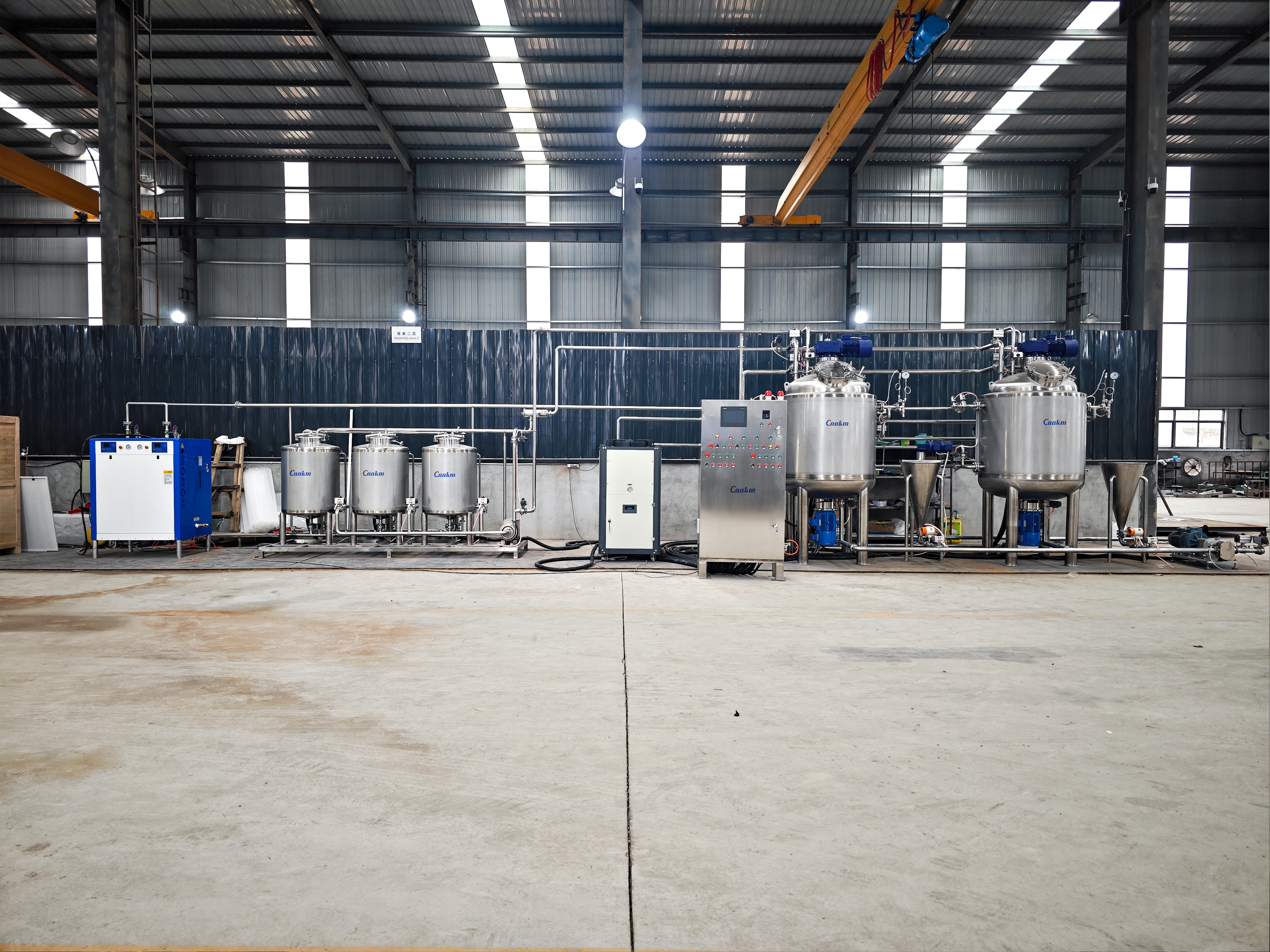



 You May Also Like

 Tel
Tel
 Email
Email
 Address






 FREE CONSULTATION